How Automatic Ground-Fault Location Can Improve Operating Room Availability
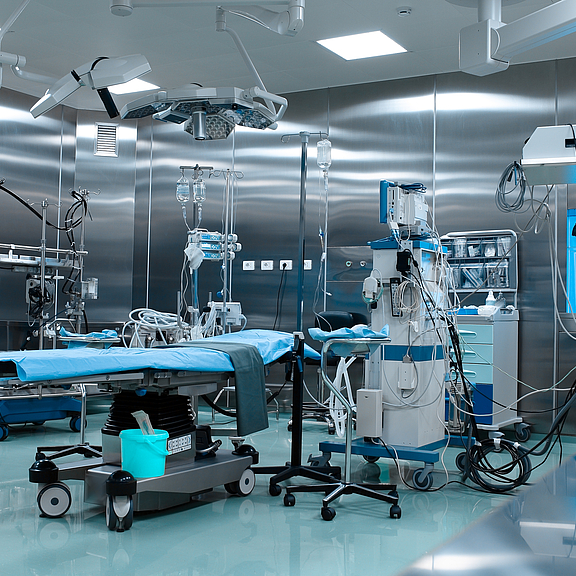
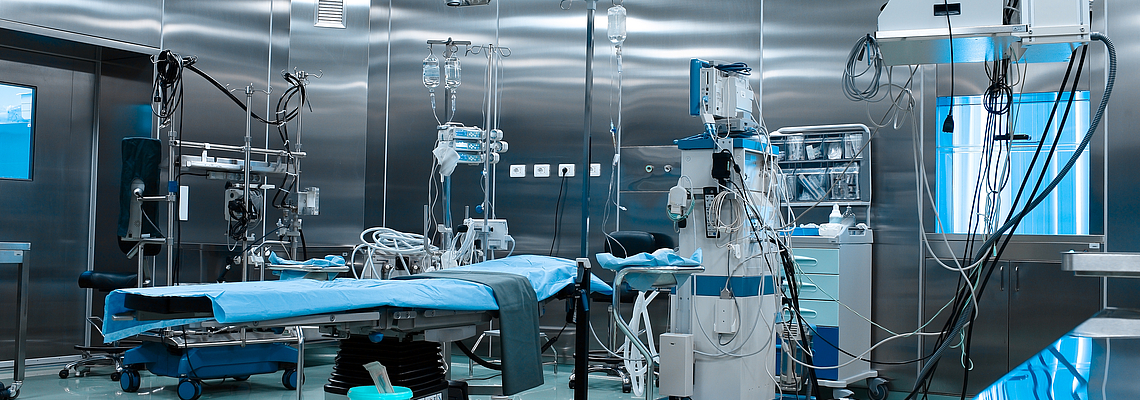
Operating rooms are among the most critical and costly areas in a hospital. When an electrical fault delays a procedure or removes a room from service, the impact can extend beyond maintenance - affecting patient schedules, staff productivity, and hospital revenue.
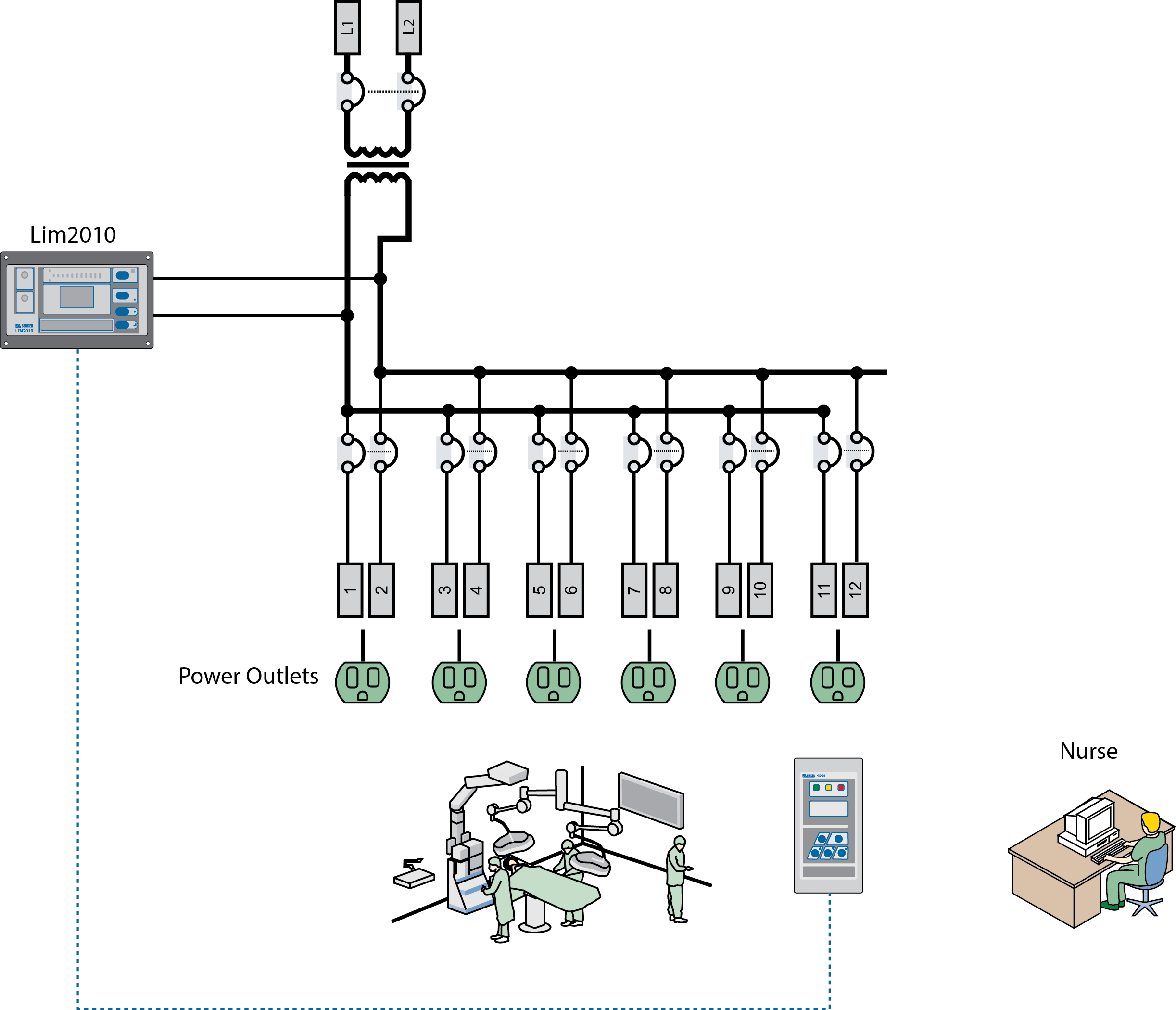
A line isolation monitor (LIM) alerts personnel when a fault occurs in an operating room’s isolated power system. However, a standard LIM cannot identify which branch circuit or connected device caused the alarm Automatic ground-fault location fills that gap by helping maintenance personnel quickly identify the likely source of the problem.
Why Ground-Fault Location Matters
An isolated power system allows an operating room to continue operating after the first ground fault, allowing procedures to continue safely while alerting staff to the condition. The challenge begins when maintenance must locate the fault.
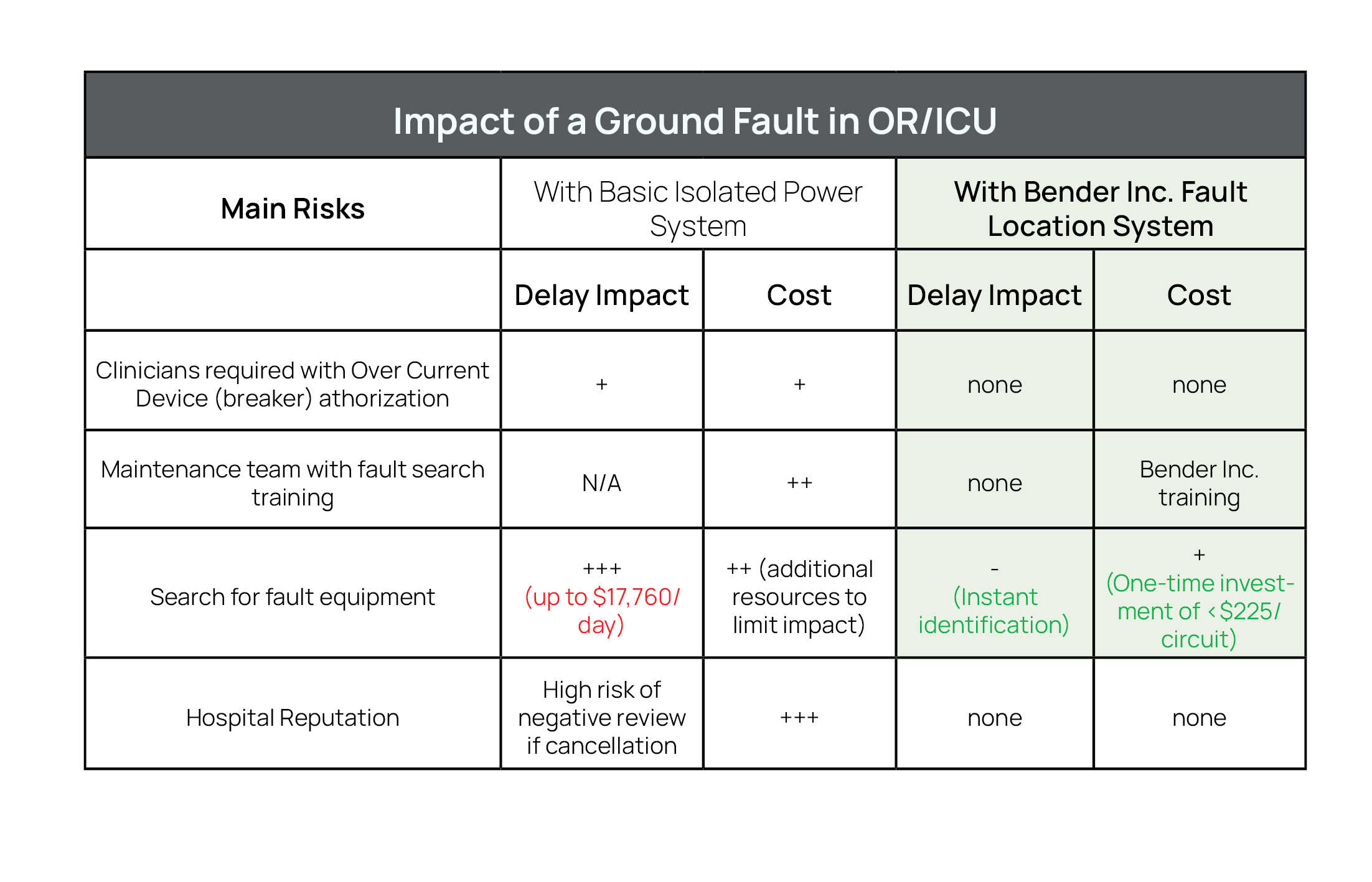
Traditional troubleshooting may require personnel to disconnect equipment or open branch circuit breakers individually. Maintenance may also need to wait until a procedure ends before entering the room. Intermittent faults are particularly difficult because the condition may disappear before the team can investigate it.
During that time, the operating room may remain unavailable or operate with an unresolved electrical issue.
How Automatic Fault Location Works
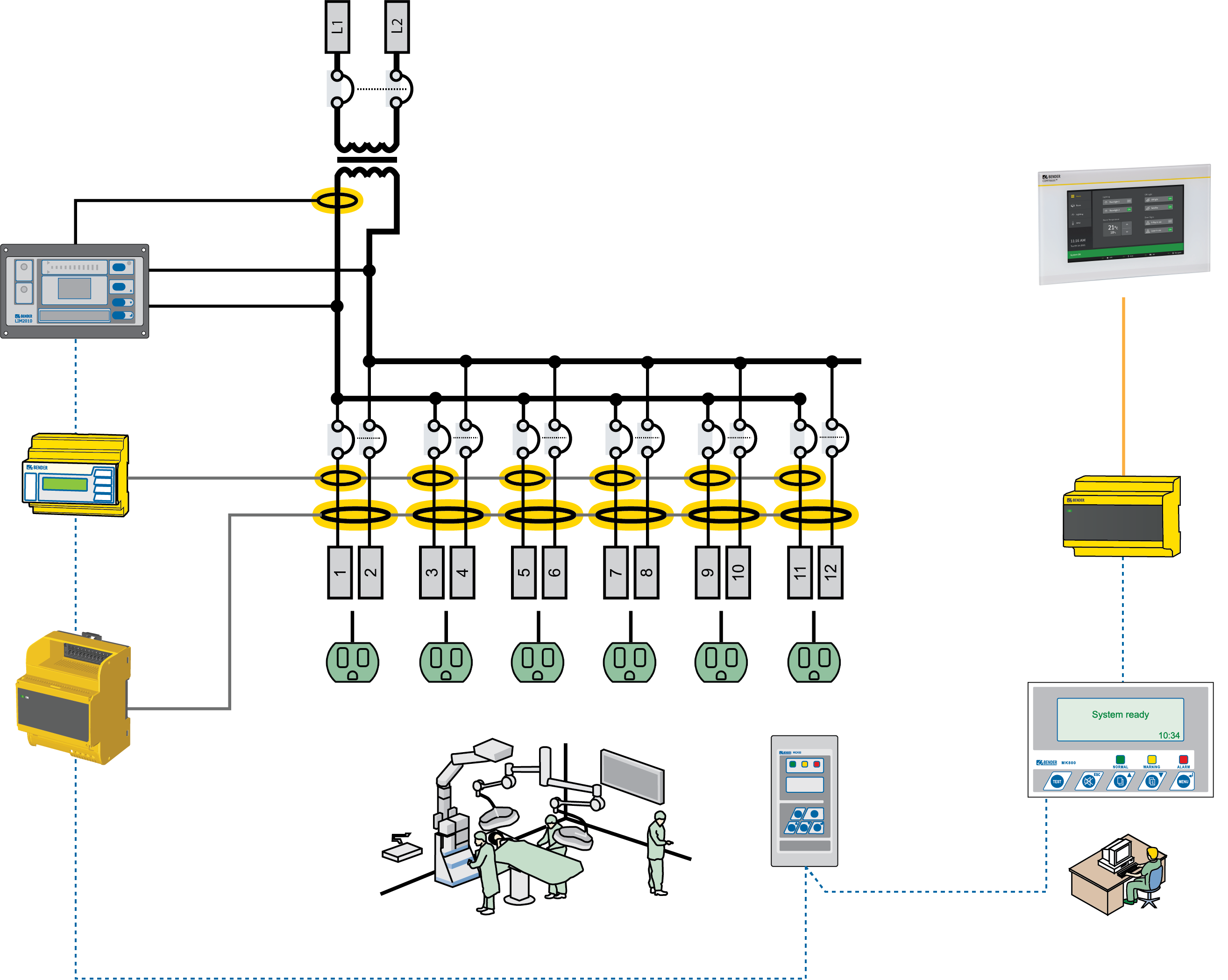
A Bender EDS ground-fault location system adds circuit-level monitoring to the isolated power system. Measuring current transformers are installed on the monitored branch circuits. When the LIM detects a fault, the EDS system automatically identifies the affected circuit while the system remains energized.
Instead of beginning with a broad search, maintenance personnel receive information directing them toward the probable source of the alarm. The system can identify the room, panel, and affected circuit, helping personnel locate the connected equipment more quickly.
Fault information can also be stored for later review, which is especially valuable when the condition is intermittent.
Faster Troubleshooting Without Interrupting Power
Automatic fault location does not eliminate the need to investigate and repair the problem. It makes that process more efficient.
When a fault occurs:
The LIM detects the condition.
The EDS system identifies the affected circuit.
Clinical or maintenance personnel can address the likely source when it is safe to do so.
This reduces the need to randomly disconnect equipment or interrupt multiple circuits during troubleshooting. It also allows maintenance personnel to prepare before entering the operating room.
For hospitals with several operating rooms or critical care areas, alarm and fault-location information can be sent to a centralized monitoring location. Facility teams can receive the information directly rather than waiting for clinical personnel to report the alarm.
Bender Solutions for Operating Room Fault Location
The LIM2010 continuously monitors the isolated power system, alerts personnel when the calculated hazard current reaches the alarm threshold, and can initiate the automatic fault-location process. The ISOSCAN® EDS441-LNA or EDS151 then evaluates signals from measuring current transformers installed on each monitored circuit to identify the branch circuit associated with the fault.
Remote indicators and COMTRAXX® touch control panels can display the electrical alarm and circuit-location information, giving clinical and maintenance teams clearer insight into where the fault occurred.
Supporting Operating Room Productivity
The value of automatic ground-fault location depends on the frequency of alarms, troubleshooting time, and the facility’s cost of operating room downtime. Adding fault-location technology to an operating room with 16 monitored circuits could cost less than two hours of operating room downtime. Actual costs will vary by facility and installation.
Hospitals can estimate the potential benefit using:
Estimated avoided cost = troubleshooting or downtime hours avoided × operating room cost per hour
Additional benefits may include fewer procedure delays, reduced maintenance labor, faster identification of intermittent faults, and improved availability of critical care spaces.
Improve Visibility and Reduce Troubleshooting Time
A line isolation monitor warns personnel that a ground fault exists. An automatic EDS fault-location system shows them where to begin looking.
By identifying the affected circuit without interrupting the isolated power system, Bender technology can help hospitals respond more quickly, reduce troubleshooting time, and maintain operating room availability.
Contact Bender to discuss automatic ground-fault location for a new or existing isolated power system.
At Bender Inc., we’ve been at the forefront of electrical safety for over 75 years. Our commitment to innovation and excellence drives us to create solutions that exceed expectations. When it comes to protecting your commercial kitchen, trust the experts—trust Bender.
For more information about this application or to learn more about Bender technology related to your specific application, contact our team of experts.
This article is for informational purposes only. Bender provides the information "as is" without warranty and is not responsible for its accuracy or reliability. No warranties are given regarding its suitability for any specific circumstances.