
An isolated power panel is an electrical distribution panel that uses an isolation transformer to create an ungrounded secondary power system. A line isolation monitor continuously evaluates the system’s potential hazard current and alerts staff when it exceeds a specified threshold.
Isolated power panels provide early warning of an insulation failure or ground-fault condition without automatically interrupting power after the first fault. This helps healthcare facilities maintain power to critical equipment while qualified personnel investigate and correct the condition.
Healthcare facilities may use isolated power systems in wet procedure locations, operating rooms, and other critical-care areas where continuity of power and early fault detection are important. Specific requirements depend on the facility risk assessment, adopted standards such as NFPA 99 or CSA Z32, applicable electrical codes, and the local authority having jurisdiction.
A typical isolated power panel includes a backbox and front trim, an isolation transformer, a line isolation monitor, a primary circuit breaker, and branch circuit breakers. Depending on the application, the panel may also include transformer load monitoring, automatic ground-fault location, branch circuit current monitoring, a touchscreen interface, or an integrated web server.
No. An isolated power system is designed to provide an alarm when the first insulation failure or ground-fault condition develops without automatically disconnecting the circuit. This allows critical equipment to remain operational while qualified personnel locate and correct the fault.
A standard electrical panel distributes power through a grounded electrical system and typically relies on protective devices to disconnect a faulted circuit. An isolated power panel supplies an ungrounded secondary system through an isolation transformer and uses a line isolation monitor to provide early warning of a developing fault.
Bender supports healthcare isolated power systems with complete solutions for new installations, renovations, and system upgrades. These include Isolated Power Panels (IPP) for operating rooms and critical-care areas, line isolation monitors for continuous system monitoring and alarm indication, and optional ground-fault location systems that help identify the affected branch circuit while power remains available.
Use the IPP Configurator to plan an isolated power panel for your application. Bender Field Services can also provide installation support, system testing, commissioning, troubleshooting, and ongoing maintenance.
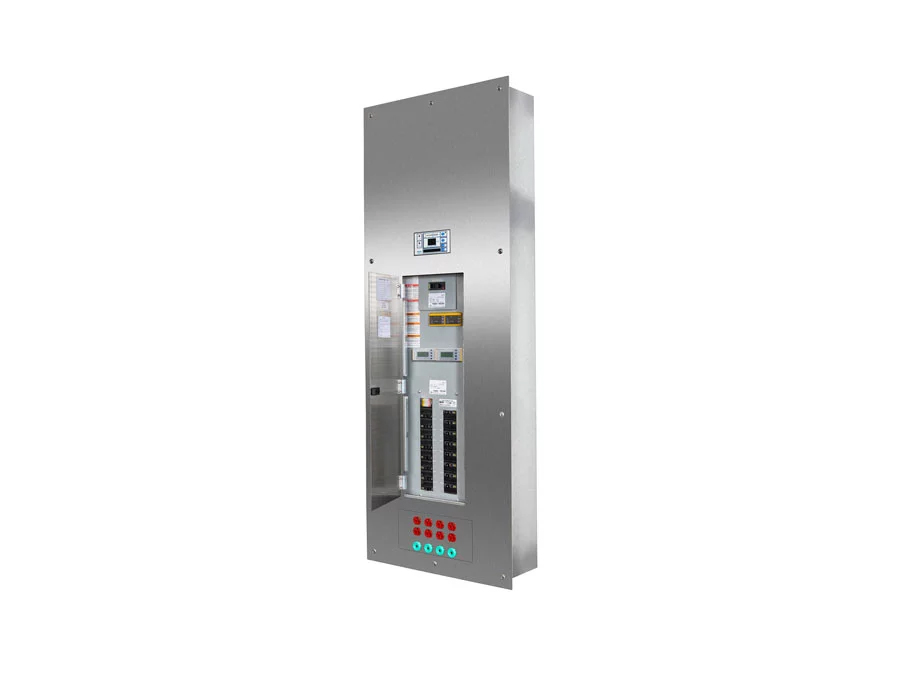
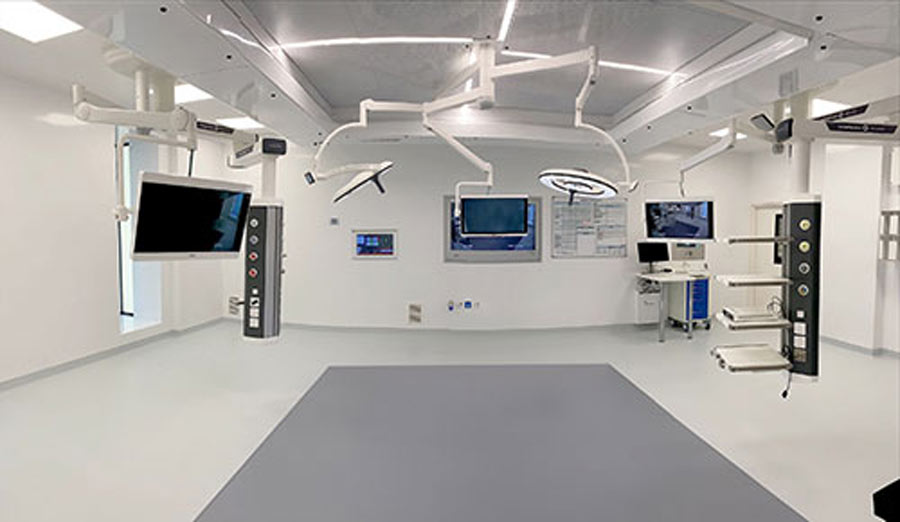

An Isolated Power System is required in all NFPA 99:2012 defined “Wet Procedure Locations” when an interruption of power (due to a ground fault) cannot be tolerated. NEC for electrical safety recommends isolated power systems. (Should be installed whenever a power outage cannot be tolerated during a ground fault condition.)
Bender recommends Annual Preventive Maintenance of all Isolated Power Panels as well as testing and recertification after any modification to the Isolated Power System.
Services include, but are not limited to:
Testing includes, but is not limited to:
The quantities will, except for rare occasions, not be equal for several reasons: